Mastering Portrait Photography: Essential Techniques Revealed
- Cedric Hoard
- Jul 19
- 4 min read
Portrait photography is an art form that captures the essence of a person, revealing their personality, emotions, and story through a single image. Whether you are a beginner or an experienced photographer, mastering the techniques of portrait photography can elevate your skills and help you create stunning images. In this post, we will explore essential techniques that will enhance your portrait photography, providing you with practical tips and insights to improve your craft.

Understanding Light
Light is the foundation of photography. In portrait photography, the way light interacts with your subject can dramatically affect the mood and quality of your images. Here are some key points to consider:
Natural Light vs. Artificial Light
Natural Light: This is often the preferred choice for portrait photographers. The soft, diffused light during golden hour (the hour after sunrise and before sunset) creates a flattering effect on skin tones. Position your subject so that the light falls gently on their face.
Artificial Light: Using flash or studio lights can help you control the lighting conditions. Softboxes and reflectors can diffuse harsh light, creating a more pleasing effect. Experiment with different setups to find what works best for your style.
Direction of Light
The direction of light can create depth and dimension in your portraits. Here are some techniques to consider:
Front Lighting: This illuminates the subject evenly, reducing shadows. While it can be flattering, it may lack depth.
Side Lighting: This creates dramatic shadows and highlights, adding texture and dimension to your subject's features.
Back Lighting: Positioning the light source behind your subject can create a beautiful halo effect, emphasizing their outline. This technique works well for creating ethereal portraits.
Composition Techniques
Composition is crucial in portrait photography. It determines how the viewer interacts with the image. Here are some essential composition techniques:
Rule of Thirds
The rule of thirds is a fundamental principle in photography. Imagine dividing your frame into a 3x3 grid. Position your subject along these lines or at their intersections to create a more balanced and engaging composition.
Leading Lines
Use natural lines in your environment to draw the viewer's eye toward your subject. This could be a pathway, a fence, or even the lines of a building. Leading lines create a sense of depth and guide the viewer's attention.
Framing
Incorporate elements from the environment to frame your subject. This could be branches, doorways, or windows. Framing adds context and focuses attention on the subject, making the portrait more compelling.
Posing Your Subject
Posing is an essential aspect of portrait photography. The way you direct your subject can significantly impact the final image. Here are some tips for effective posing:
Relaxation Techniques
Help your subject feel comfortable and relaxed. Engage them in conversation, or play music to create a pleasant atmosphere. A relaxed subject will naturally pose better and exhibit genuine expressions.
Angles and Body Positioning
Encourage your subject to angle their body slightly away from the camera. This creates a more flattering silhouette. Avoid having them face the camera straight on, as this can appear stiff. Instead, ask them to shift their weight to one leg and turn their shoulders slightly.
Hand Placement
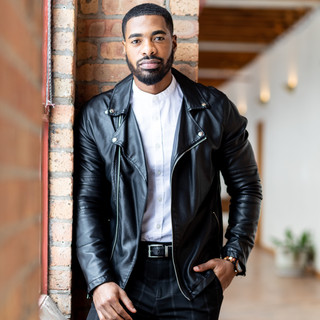
Hands can often appear awkward in portraits. Encourage your subject to place their hands on their hips, in pockets, or gently touching their face. This creates a more natural look and adds interest to the composition.
Choosing the Right Background
The background plays a significant role in portrait photography. It should complement your subject without distracting from them. Here are some considerations:
Simple and Clean Backgrounds
Opt for backgrounds that are simple and uncluttered. A plain wall, a field, or a soft bokeh effect can help your subject stand out. Avoid busy backgrounds that can draw attention away from the subject.
Contextual Backgrounds
Sometimes, a background can add context to your portrait. For example, if you are photographing a musician, consider using a stage or an instrument as part of the background. This can tell a story and enhance the overall image.
Utilizing Depth of Field
Depth of field refers to the area in focus within an image. In portrait photography, a shallow depth of field is often desirable, as it helps isolate the subject from the background. Here’s how to achieve this effect:
Aperture Settings
Use a wide aperture (low f-stop number) to create a shallow depth of field. This blurs the background, making your subject pop. For example, an aperture of f/1.8 or f/2.8 can create beautiful bokeh effects.
Focal Length
The focal length of your lens also affects depth of field. A longer focal length (e.g., 85mm or 135mm) can create a more pronounced background blur, enhancing the portrait's aesthetic.
Post-Processing Techniques
Post-processing is an essential step in portrait photography. It allows you to enhance your images and correct any imperfections. Here are some tips for effective post-processing:
Basic Adjustments
Start with basic adjustments such as exposure, contrast, and color balance. These can significantly improve the overall quality of your image. Use software like Adobe Lightroom or Photoshop for these adjustments.
Skin Retouching
When retouching skin, aim for a natural look. Avoid over-editing, as this can lead to an unnatural appearance. Use tools to smooth skin while preserving texture, and be mindful of maintaining the subject's unique features.
Creative Effects
Experiment with creative effects such as black and white conversions, color grading, or adding vignettes. These can enhance the mood of your portrait and make it more visually striking.
Conclusion
Mastering portrait photography requires a combination of technical skills, creativity, and an understanding of your subject. By focusing on light, composition, posing, background selection, depth of field, and post-processing, you can create stunning portraits that tell a story and evoke emotion.
Remember, practice is key. Take the time to experiment with different techniques and styles, and don't be afraid to make mistakes. Each portrait you capture is an opportunity to learn and grow as a photographer. So grab your camera, find your subject, and start creating beautiful portraits today!


Comments